
April 23, 2026
Hospitality Furniture Manufacturer Selection Guide: 5 Factors
Can your hospitality furniture manufacturer turn a concept sketch into consistent, on-time rooms without surprise costs? The best partner turns your design ideas into high-quality, consistent furniture that arrives on time, fits your brand, and doesn’t surprise you with extra costs.
The guide below focuses on design capability and brand fit so you can evaluate contract furniture manufacturers, hotel furniture suppliers and FF&E furniture manufacturers with confidence and avoid late-stage changes that blow budgets.
 What you need to know
1. Design capability and brand fit: how a hospitality furniture manufacturer should translate your concept
Can the manufacturer take your concept and turn it into finished rooms that look exactly the way you want — across hundreds of rooms across the countries?
A good manufacturer should follow a clear process:
- (1) Start with your brief
- (2) Create concept sketches
- (3) Build a 3D model
- (4) Make a prototype
- (5) Do a small pilot run
- (6) Get your final approval
They should give you clear milestone dates and show you physical samples at every important stage so you can check the look, feel, and quality early.

Tip: Put rules in the contract about design changes after prototype approval — because changes at that stage usually cost more time and money.
Consistent finish schedules and documented test standards reduce lot-to-lot variability and speed approvals. It should include room layouts, quantities, finish samples, fabric swatches with performance requirements, and technical drawings. The more complete your information, the more accurate their quotes and the more consistent your final furniture will be.
2. Durability standards and compliance you must verify
Hospitality furniture takes heavy use, so durability and safety are very important.
- Make sure the furniture meets the fire safety standards for your country or region (for example: TB117-2013 for the US, BS 7176 for the UK, or EN 1021 for Europe).
- For fabrics: Choose high-abrasion ratings (minimum 15,000 Wyzenbeek rubs for normal use, 30,000+ for heavy traffic areas).
- Check material quality: low-formaldehyde boards, proper foam density, and correct stainless steel grades for coastal areas (grade 316 for metalwork and 304 for general outdoor use).
With those documents in hand, proceed to procurement and compare lead times, MOQs and landed costs. Those comparisons determine schedule risk and total cost.
3. Production capacity, lead times, and MOQ planning for hotels and resorts
Match lead times to your FF&E phasing so installation schedules stay on track.
Typical lead times:


Minimum Order Quantities (MOQs) also matter:

Small projects:
2-5 sets
Medium runs:
5-200 units
Larger orders usually get better pricing
To save money and time, try to reduce the number of different items (SKUs), combine shipments, and plan deliveries in phases if your hotel opens in stages.
Remember: The cheapest unit price isn’t always the lowest total cost. Consider how long the furniture will last, how often it needs replacing, and extra costs like shipping and customs.
4. Quality assurance, warranties and SLAs to require from your hospitality furniture manufacturer
A reliable manufacturer will agree to clear quality checks in the contract, including:
- First-article inspection
- In-production audits
- Final inspection before shipping
Put a defined inspection plan into the contract and make it enforceable.
Write firm Service Level Agreement (SLA) clauses so delivery and acceptance are unambiguous. Define firm delivery windows, an acceptance procedure with inspection timeframes and a timeline for corrective action after failed acceptance testing. Include a remedies ladder such as supplier corrective action within a fixed number of days, service credits or liquidated damages for missed windows, and a change-order freeze point with explicit hold points before stain, lacquer or upholstery finishes are applied.
Be explicit about warranty scope and realistic lifecycles so maintenance budgets match reality. Ask for:
-

A clear warranty (usually 5 years on structure, shorter on fabrics and foam)
-

Spare parts availability
-

Clear rules for what happens if something goes wrong (delivery delays, defects, etc.)
5. How to Choose the Right Manufacturer (RFQ & Scoring)
When sending out a Request for Quotation (RFQ), include all important details: room schedule, drawings, material specs, test requirements, delivery dates, payment terms, and expected milestone dates. Attach PDFs of spec sheets, finish boards and test reports, and include editable DWG, IFC, STEP or SAT files for bespoke pieces; make test certificates and a clear sample plan mandatory to avoid surprises during production.
Use a simple scoring system to compare suppliers fairly. For example:
| Durability and compliance | 30% |
| Design fit | 20% |
| Warranty and service | 20% |
| Lead time | 15% |
| Price and MOQ | 15% |
Score each supplier from 1 to 5 and calculate the total. This helps you make an objective decision.
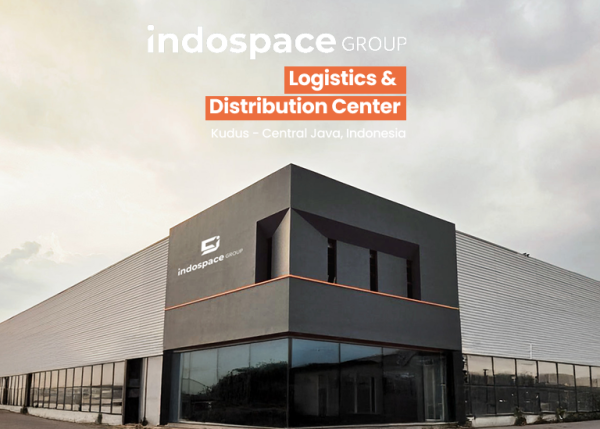
Indospace Group turnkey FF&E for a coastal resort with 120 rooms plus public areas under a strict 22-week window and TB117-2013 requirements. The team completed a local design prototype cycle, consolidated shipments into two containers and deployed an on-site install team to meet the schedule. The client received an extended warranty package and post-install care and punch-list resolution, which reduced change orders and clarified accountability. See a recent project example at River Lodge.

Follow three practical steps to reduce procurement risk.
First, download the RFQ checklist and plug in your project dates and test specs.
Second, run the scoring matrix against at least three suppliers and eliminate any with red flags.
Third, schedule a short call with your chosen finalists to confirm sample timing and SLA details.
When documenting required US flame-safety tests, refer directly to the authoritative TB117-2013 guidance for specifics on compliance and testing methods (TB117-2013 specification), and consult an industry comparison of abrasion test methods for clarity on Wyzenbeek vs Martindale results (Martindale vs Wyzenbeek guide).
Choose the right hospitality furniture manufacturer with confidence
The three most important things to check are:

Clear and reliable design-to-production process

Repeat consistency and safety checks for your project

Realistic lead times and production capacity
Confirm those items during your RFQ and use the scoring matrix to compare bidders objectively. When these elements align you reduce the risk of late-stage changes and missed opening dates.
Assemble your concept images, room counts, regulatory region, target delivery window and finish schedule, then send the brief to Indospace Group for a feasibility review. Indospace Group can provide a sample pack, a precise lead-time and MOQ proposal, and a production path that lets you lock budgets and timelines. Request a feasibility check and sample RFQ today to keep your project on schedule, on quality and on brand. For an overview of the company before you engage, download Indospace Group | Company Profile, and review a recent flagship hospitality fit-out at Kempinski Hotel & Resort.